Get Smart
Follow GetSmart on Facebook
  • Home
  • k/s1
    • Maths >
      • Representing Whole Number >
        • Representing Whole Number-QR
      • Combining/Separating Quantities - Addition/Subtraction >
        • Combining/Separating Quantities - Addition/Subtraction-QR
      • Forming Groups - Patterns & Algebra >
        • Forming Groups - Patterns & Algebra-QR
      • Forming Groups - Multiplication & Division >
        • Forming Groups - Multiplication & Division with QR
      • Geometric Measure - Position >
        • Geometric Measure - Position - QR
      • Geometric Measure - Length >
        • Geometric Measure - Length - QR
      • Geometric Measure - (Length) Fractions >
        • Geometric Measure - (Length) Fractions - QR
      • 2 Dimensional Spatial Structure - 2D Shapes >
        • 2 Dimensional Spatial Structure - 2D Shapes QR
      • 2 Dimensional Spatial Structure - Area >
        • 2 Dimensional Spatial Structure - Area QR
      • 3 Dimensional Spatial Structure - 3D Objects >
        • 3 Dimensional Spatial Structure - 3D Objects - QR
      • 3 Dimensional Spatial Structure - Volume >
        • 3 Dimensional Spatial Structure - Volume - QR
      • Non Spatial Measure - Mass >
        • Non Spatial Measure - Mass - QR
      • Non Spatial Measure - Time >
        • Non Spatial Measure - Time QR
      • Data >
        • Data - QR
      • Chance >
        • Chance - QR
    • English >
      • Oral Language and Communication
      • Vocabulary/Phonological Awareness/Phonic Knowledge
      • Reading Fluency & Print Conventions >
        • Stories & Rhymes
      • Reading Comprehension
      • Creating Written Texts >
        • ...Writing Prompts
      • Spelling
      • Keyboarding/Handwriting
      • Understanding and Responding to Literature
    • Science and Technology >
      • ES1 - Earth and Space
      • S1 - Earth and Space
      • ES1 - Living World
      • S1 - Living World
      • ES1 - Material World
      • S1 - Material World
      • ES1 - Physical World
      • S1 - Physical World
      • ES1 - Digital Technologies
      • S1 - Digital Technologies
    • Hands On Science
    • History >
      • Personal & Family Histories
      • Present and Past Family Life
      • The Past In The Present
    • Geography >
      • People Live In Places
      • Features of Places
      • People and Places
    • K/S1 Art
    • How to....Art
    • How to....Craft
    • Music
    • Logic
  • s2
    • Maths >
      • Representing Number - Whole Number
      • Representing Number - Decimals
      • Additive Relations - Addition & Subtraction
      • Multiplicative Relations Multiplication & Division
      • Partitioned Fractions
      • Geometric Measure - Position
      • Geometric Measure - Length
      • Geometric Measure - Angles
      • 2 Dimensional Spatial Structure - 2D Space
      • 2 Dimensional Spatial Structure - Area
      • 3 Dimensional Spatial Structure - 3D Space
      • 3 Dimensional Spatial Structure - Volume
      • Non Spatial Measure - Mass
      • Non Spatial Measure - Time
      • Data
      • Chance
    • English >
      • Oral Language and Communication >
        • Oral Language and Communication Rubric Samples
      • Vocabulary
      • Reading Fluency
      • Reading Comprehension
      • Creating Written Texts >
        • ...Writing Prompts
      • Spelling
      • Handwriting/Keyboarding
      • Understanding and Responding to Literature
    • Science & Technology >
      • S2 - Earth and Space
      • S2 - Living World
      • S2 - Material World
      • S2 - Physical World
      • S2 - Digital Technologies
    • Hands On Science
    • History >
      • Community & Remembrance
      • First Contacts
    • Geography >
      • Places are Similar and Different
      • The Earth's Environment
    • Stage 2 Art
    • How to......Art
    • How to....Craft
    • Stage 2 Music
    • Stage 2 Logic
  • s3
    • Maths >
      • Representing Number - Whole Number
      • Representing Number - Decimals & Percentages
      • Additive Relations - Addition & Subtraction
      • Multiplicative Relations - Multiplication & Division
      • Representing Quantity Fractions
      • Geometric Measure - Position
      • Geometric Measure - Length
      • Geometric Measure - Angles
      • 2 Dimensional Spatial Structure - 2D Space
      • 2 Dimensional Spatial Structure - Area
      • 3 Dimensional Spatial Structure - 3D Space
      • 3 Dimensional Spatial Structure - Volume
      • Non Spatial Measure - Mass
      • Non Spatial Measure - Time
      • Data
      • Chance
    • English >
      • Oral Language and Communication
      • Vocabulary
      • Reading Comprehension
      • Creating Written Texts >
        • ...Writing Prompts
      • Spelling
      • Handwriting/Keyboarding
      • Understanding and Responding to Literature
    • Science & Technology >
      • S3 - Earth and Space
      • S3 - Living World
      • S3 - Material World
      • S3 - Physical World
      • S3 - Digital Technologies
    • Hands On Science
    • History >
      • The Australian Colonies
      • Australia As A Nation (Gov't)
    • Geography >
      • Factors That Shape Places
      • A Diverse And Connected World
    • Stage 3 Art
    • How to....Art
    • How to...Craft
    • Stage 3 Music
    • Stage 3 Logic
  • STEM...STEAM
  • Robotics/Coding
  • Australian Curriculum
    • English Curriculum Links
    • English Units
    • Maths
    • Science
    • History
    • NSW Curriculum ICT Capabilities
    • ICT Scope & Sequence
  • Cybersafety
  • GetEducreative
  • Themes
    • Antarctica
    • British Colonisation
    • Dinosaurs
    • Dragons
    • Electricity
    • Energy
    • Global Connections
    • Gold
    • Government
    • Human Body
    • Life Cycles
    • Light
    • Magnets
    • Mini Beasts
    • Rainforests
    • Space
  • Virtual Tours
  • Winter Olympics

Great Music Sites K-6
Picture
Virtual Keyboard - ​virtualkeyboard

Picture
Compose Your Own Music - classicsforkids

PictureImage by Clker-Free-Vector-Images from Pixabay
Popular Composers - starfall

Picture
Picture
Virtual Piano - virtualpiano

Picture
Interactive Glockenspiel - gouldentime
Picture
Match the Rhythm  - classicsforkids

Beat Box - toytheater
Music Box - toytheater
Picture
Isle of Tune - isleoftune

Picture
Groove Pizza - ​apps.musedlab

Picture
Unifix Drum Machine - ​philtulga.com

Reading Rhythms - ​philtulga.
Composer - toytheater
Piano Composer - toytheater
Zylophone Composer - toytheater

Picture
Picture
Incredibox - ​incredibox

Picture
​SFS Kids Menu
Picture


​


SFS Kids - Instruments of the Orchestra
SFSKids - Composing
SFSKids - Conducting
SFSKids - Listening Station
SFSKids - Going Global
​SFSKids - Musical Moods
Picture
Classic for kids - Instruments

Games
Composers

Chrome Music Lab
Shared Piano
Song Maker
Rhythm
Kadinsky
Picture
Picture
Picture
Picture
Music Jukebox - ​more2.starfall

Picture
Cyber Pattern Player - pbs kids

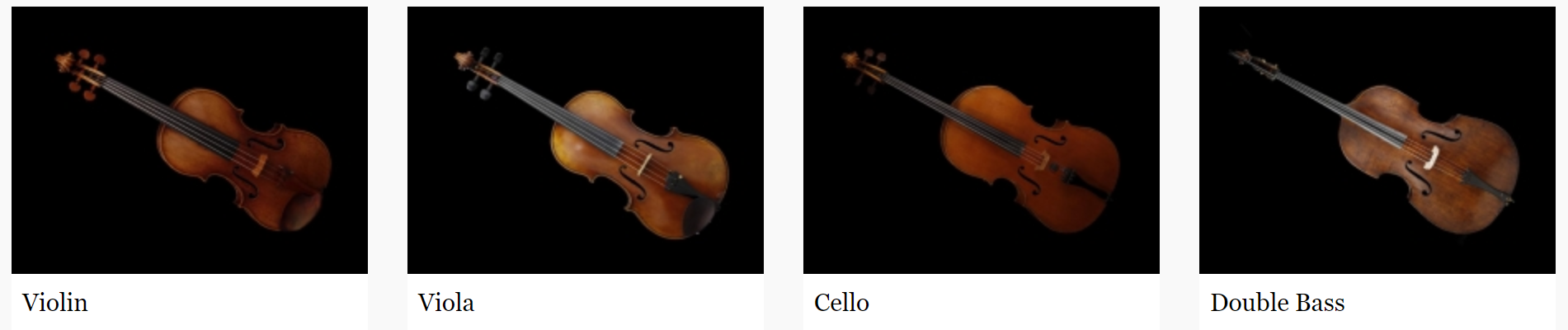
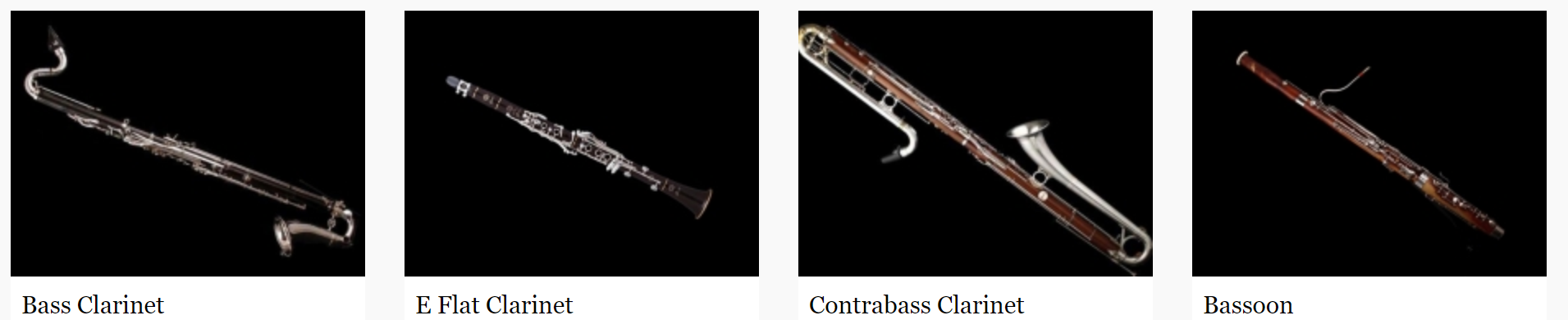
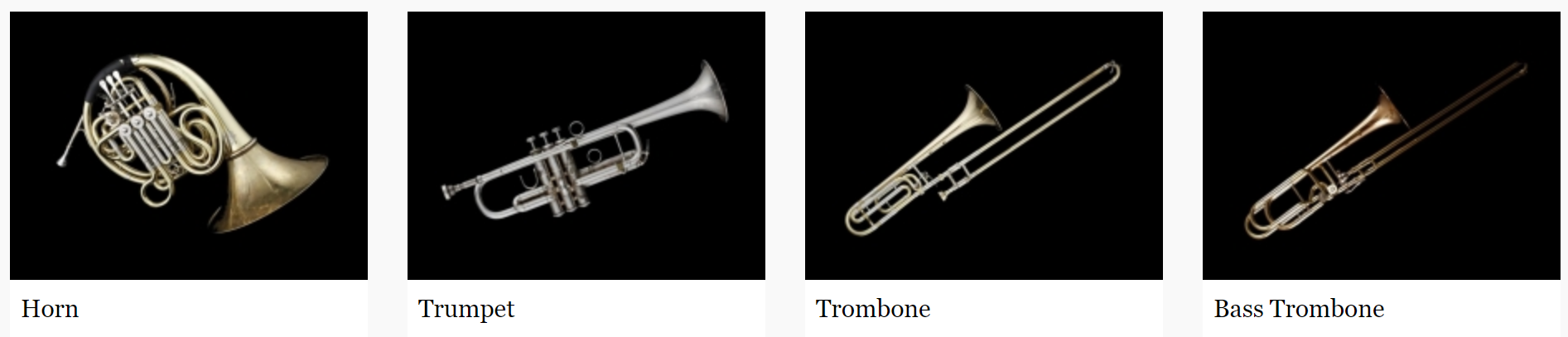
Comprehensive resource about the Instruments of the Orchestra from The Philharmonia Orchestra
Videos of songs and rhymes for Kindergarten - preview videos before use
25 Best Movement Songs For Kids - music grotto
Koo Koo Kanga Roo - Milkshake 
​Koo Koo Kanga Roo - Pop See Ko

​(Koo Koo Kanga Roo have plenty of fun singing/movement clips)

​New Syllabus to be implemented 2027
Syllabus Outcomes
CAE-MUS-01 Experiments with and identifies ways sound is organised in music through singing, moving, playing instruments and using listening skills
Performing and Composing
Music is performed and made by organising sound through singing, moving and playing
Listening
Music can be listened to, experienced and described
​CA1-MUS-01
Performs, uses listening skills and composes to communicate ideas through sound, and describes ways musical ideas are conveyed
​
Performing 
Music is performed to communicate musical ideas through sound
Listening
Musical ideas are conveyed through sound
​Composing
Music is composed to communicate musical ideas through sound
​CA2-MUS-01
Performs, uses listening skills and composes to communicate musical ideas, and describes ways the elements of music are used to convey musical ideas
​
Performing 
​Music is performed to communicate musical ideas in various ways
​
Listening
Musical ideas are conveyed in various ways using the elements of music
​
Composing
Music is composed to communicate musical ideas in various ways
CA3-MUS-01
Performs, uses listening skills and composes to communicate musical ideas using the elements of music, and explains how musical ideas are conveyed and ways contexts influence music
​
Performing 
Music is performed using the elements of music to communicate musical ideas
​
Listening
Music is influenced by the context in which it is performed and composed
​
​Composing
Music is composed using the elements of music to communicate musical ideas
CA3-CWT-01
Creates written texts to communicate ideas and understanding in Dance, Drama, Music and Visual Arts
Creating written texts supports understanding in Music
Content
Performing and Composing
Students in Early Stage 1 will
- Demonstrate a steady beat using movement, body percussion, environmental sounds or by playing instruments
- Use singing, chanting or body percussion and listening skills to engage with rhymes or songs
- Demonstrate an awareness of pitch, using higher, lower and repeated pitches
- Echo rhythm patterns using body percussion or movement
- Play and organise sounds with non-melodic and melodic sound sources
- Use listening skills and memory to perform musical patterns by singing, using body percussion or playing instruments
- Explore voice, body percussion, environmental sounds, instruments or digital sounds to identify how sounds are produced
- Use louder and softer sounds to explore dynamics with sound sources
- Perform music by singing, moving and playing instruments while interacting with others
- Use informal symbols or graphic notation to represent sounds
- Demonstrate an awareness of safe music practices
Listening
Students in Early Stage 1 will
- Identify contexts where music can be listened to or experienced
- Use listening skills to identify ways that beat, rhythm, pitch,
 performing media, timbre and dynamics are used in music, using Tier 2 and Tier 3 vocabulary
- Experience music from cultures around the world, using listening skills to develop aural awareness and recognise ways sounds are organised
- Recognise ways Aboriginal Dreaming Stories or Torres Strait Islander Legends are represented through music
- Recognise informal symbols or graphic notation that are used to represent sounds
- Use listening skills and express ideas or feelings in response to music
Performing 
Students in Stage 1 will
​​- 
Engage in musical games and warm-up exercises for singing and playing instruments
- Maintain a steady beat or change the speed of the beat through movement, body percussion, environmental sounds or by playing instruments
- Sing, chant or engage with vocal repertoire, developing an aural awareness of pitch

- Explore changes in pitch and pitch patterns, indicating changes with gestures
- Perform rhythmic and melodic patterns by singing, using body percussion or playing instruments
- Produce sounds using voice, body percussion, environmental sounds, instruments or digital technologies to develop an awareness of timbre

- Develop playing skills using environmental sounds, instruments or technologies
- Use sound sources to experiment with dynamic effects, including gradual or sudden changes in volume

- Rehearse music and use listening skills to refine singing, moving or playing
- Perform music repertoire through singing, moving, using body percussion and playing instruments to communicate musical ideas
- Perform music in small groups by layering sounds in cooperation with others
- Demonstrate safe music practices with awareness of physical and social safety

Listening
Students in Stage 1 will
- Use listening skills and describe duration, pitch, performing media, timbre, dynamics, expression and structure in music, using Tier 2 and Tier 3 vocabulary
- Develop listening skills and aural awareness by experiencing music from cultural contexts around the world, and identify ways musical ideas are communicated
- Describe ways Aboriginal and/or Torres Strait Islander Peoples express connection to Country and Place through music
- Explore ways to use symbols or graphic notation to represent sounds and musical ideas in repertoire
- Explore music from historical contexts, including ancient music practices, to recognise how music is influenced by time and place
- Use listening skills and reflect on personal experiences, discussing ideas, feelings or opinions in response to music

Composing
Students in Stage 1 will
- Imitate and vary rhythm patterns and tempo using body percussion, movement or instruments
- Experiment with ways to change rhymes or songs using body percussion or instruments
- Select and organise sounds into simple structures, using melodic or non-melodic sound sources
- Explore sound sources used in Aboriginal and/or Torres Strait Islander music
- Use symbols or graphic notation to represent duration, pitch, dynamics and other musical ideas
Performing 
​Students in Stage 2 will
- Perform pitch and pitch patterns while singing, moving and playing
- Sing songs or engage with vocal repertoire, using echo, partner songs or rounds, developing an aural awareness of pitch, duration and structure
- Play rhythmic and melodic patterns from memory, as an accompaniment to music
- Experiment with voice, environmental sounds, instruments or digital technologies to investigate how materials and technologies impact timbre
- Demonstrate playing skills using environmental sounds, instruments or technologies
- Experiment with instrumental techniques and sound sources to create changes in dynamics and expression
- Rehearse music as a group or class and use listening skills and memory to refine singing, moving or playing
- Perform repertoire, including own compositions, by singing, moving, using body percussion and playing to communicate musical ideas
- Perform music to communicate musical ideas, developing an awareness of the elements of music, by collaborating with others
- Demonstrate safe music practices with respect for physical, social and digital safety

Listening
Students in Stage 2 will
- Use listening skills and describe how the elements of music are used to communicate musical ideas, using Tier 2 and Tier 3 vocabulary
- Use listening skills and aural awareness to engage with music from cultural contexts around the world, and investigate ways music practices are influenced by people, time and place
- Investigate ways Aboriginal and/or Torres Strait Islander Peoples engage with music for story sharing, celebrations or Cultural expression
- Use symbols, graphic notation or staff notation to represent the elements of music
- Experience music from historical periods to understand the influences of people, time and place
Use listening skills and reflect on personal experiences of performing and composing music, recognising successes and challenges
- Use Tier 2 and Tier 3 vocabulary and a combination of written sentences to give an opinion about, describe or explain music

Composing
Students in Stage 2 will
- Respond to changes in beat, rhythm and tempo while singing, playing and moving
- Improvise and combine musical ideas using voice, body percussion, movement, instruments, environmental sounds or digital technologies
- Explore ways to layer sounds using voice, environmental sounds, body percussion or instruments
- Vary or create new structures by adding or changing sections of music
- Explore music practices and protocols of Aboriginal and/or Torres Strait Islander artists to understand how Cultural ideas are expressed
- Use written annotations and musical symbols, graphic notation or staff notation to plan and document ideas for a musical composition
Performing 
Students in Stage 3 will
​
Demonstrate an aural understanding of dynamics and expression while performing vocal repertoire
Perform rhythm, melody or harmony patterns by singing, moving and playing independent parts in combination with others
Experiment with timbre to create mood and effects using voice, environmental sounds, instruments or digital technologies
Experiment with repetition and contrast, varying ways the elements of music are used while performing
Rehearse and refine music using listening skills and memory to enhance performance techniques
Perform music, including own compositions, to develop solo and group playing skills
Perform music in collaboration with others to communicate musical ideas or intent, with awareness of the elements of music
Demonstrate safe music practices, with respect for physical, social, digital and cultural safety
​
Listening
Students in Stage 3 will
Use listening skills and explain how the elements of music communicate musical ideas in music repertoire, using Tier 2 and Tier 3 vocabulary
Use listening skills and aural awareness to engage with music from cultural contexts around the world, and describe how musical ideas are conveyed by composers and musicians
Describe ways current Aboriginal and/or Torres Strait Islander music practices maintain Cultural identity and belonging
Interpret the ways musical ideas are communicated using symbols, graphic notation or staff notation
Compare music from historical and contemporary contexts to understand significant influences on music practices over time
Explain how other music influences own music practice
Use listening skills and reflect on personal experiences and contributions as a composer or musician

Composing
Students in Stage 3will
- Create texture in music by combining or layering sounds such as voice, body percussion, instruments or environmental sounds
- Improvise and express musical ideas using voice, body percussion, movement, instruments, environmental sounds and digital technologies
- Arrange and organise rhythmic and melodic patterns into sections to create structure in own compositions
- Explore ways Cultural Knowledges, practices and protocols are used in Aboriginal and/or Torres Strait Islander music
- Use symbols, graphic notation or staff notation to represent musical ideas in compositions

CWT
Students in Stage 3 will
- Experiment with language, word order and repetition to adapt or create song lyrics
- Use Tier 2 and Tier 3 vocabulary to create a written review of music, using the elements of music to reinforce an opinion
- Acknowledge artists, titles, origins of music and sources of information to add authority to written texts

Syllabus Outcomes - to be removed December 2026
ES1
Performing
MUES1.1   Participates in simple speech, singing, playing and moving activities, demonstrating an awareness of musical concepts.
Organising Sound
MUES1.2   Creates own rhymes, games, songs and simple compositions.
​Listening
​MUES1.4   Listens to and responds to music. 
S1
ComposingPerforming
MUS1.1   Sings, plays and moves to a range of music, demonstrating an awareness of musical concepts.​
Organising Sound
MUS1.2   Explores, creates, selects and organises sound in simple structures.​
MUS1.3   Uses symbol systems to represent sounds.
​Listening

MUS1.4   Responds to a range of music, expressing likes and dislikes and the reasons for these choices. ​
S2
ListeningPerforming
MUS2.1   Sings, plays and moves to a range of music, demonstrating a basic knowledge of musical concepts
Organising Sound
MUS2.2   Improvises musical phrases, organises sounds and explains reasons for choices.
MUS2.3   Uses commonly understood symbols to represent own work.
​Listening

MUS2.4   Identifies the use of musical concepts and musical symbols in a range of repertoire. ​
S3
Performing
MUS3.1   Sings, plays and moves to a range of music, individually and in groups, demonstrating a knowledge of musical concepts. 
Organising Sound
MUS3.2   Improvises, experiments, selects, combines and orders sound using musical concepts.
MUS3.3   Notates and discusses own work and the work of others
.
​Listening
MUS3.4   Identifies the use of musical concepts and symbols in a range of musical styles.

Syllabus Content - to be removed December 2026
Students in Early Stage 1 will
learn to:
• perform music though singing, playing and moving to simple songs and speech rhymes
• organise sound by creating simple songs, rhymes, games and compositions or variations on simple songs, rhymes, games and compositions
• listen to, and respond to, a variety of music
learn about musical concepts:
• through recognising simple musical features of the music they perform
• by organising sound through listening, imitation and experimentation
• by responding to music through performing and organising sound activities and identifying simple features of this music
learn about role of music in the world by
• recognising that music is all around them

​
​New Syllabus to be implemented 2027
​
Students in Stage 1 will
learn to:
• perform a variety of music through singing, playing and moving
• organise sound through imitation and experimentation, and represent this work using symbols
• listen to, and respond to, a variety of music
learn about musical concepts:
• through recognising musical features of the music they perform
• by organising sound through listening, performing and notating using a symbol system
• by responding to music through performing and organising sound activities and identifying simple features of this music
learn about role of music in the world by:
• understanding the different ways music is used and appreciated in the world

​
​New Syllabus to be implemented 2027
​
Students in Stage 2 will
learn to:
• perform a variety of music through singing, playing and moving, demonstrating an understanding of the music
• improvise, experiment, select and combine musical ideas to form simple musical structures and notate these ideas using commonly understood symbols
• listen to, and appreciate, a range of repertoire showing some understanding of musical concepts
learn about musical concepts:
• through recognising musical features of the music they perform
• by organising sound, listening, performing and representing these ideas in traditional and non-traditional notation
• by responding to music through performing and organising sound activities and identifying features of this music
learn about role of music in the world by:
• understanding and appreciating the roles people play in music (performer, composer, listener) and that these people make conscious decisions about what they do

​
​New Syllabus to be implemented 2027
​
Students in Stage 3 will
learn to:
• perform music through singing, playing and moving to a variety of music, both individually and in groups
• organise musical ideas to vary known repertoire, to create new work and to notate as a means of recording and communicating musical ideas
• listen to and appreciate a variety of repertoire demonstrating an understanding of musical concepts
learn about musical concepts:
• through recognising musical features of the music they perform
• by organising sound, listening and performing, and by exploring the relationship between musical symbols and sound
• by responding to music through performing and organising sound activities and identifying features of this music
learn about role of music in the world by:
• understanding, appreciating and evaluating their own work and the work of others
• understanding the variety of situations in which music occurs and the function it plays in these situation​

​
​New Syllabus to be implemented 2027
​
source: Creative Arts K–6 | NSW Education Standards
source: Creative Arts K–6 Syllabus (2024) - Course overview | NSW Curriculum | NSW Education Standards Authority
updated Feb 2026
Please note that these pages contain a collection of links to activities intended to support and enhance classroom teaching and learning. The thumbnails and activities are the property of the authors/creators and are available due to their generosity in sharing their work. 
All external links are intended for educational purposes only. The curator of this site is not responsible for questionable or controversial content/material which may be found on external sites.
Parental supervision of children's access to the internet and adult previewing of links is highly recommended.
Powered by Create your own unique website with customizable templates.